
Technology and Economy: Key Developments Shaping Our Future
In today’s fast-evolving global landscape, technology and the economy are deeply interconnected forces shaping progress. Innovation accelerates change, while policy frameworks adapt to shifting global realities. From strategic corporate restructuring to national growth projections, recent developments highlight how these two pillars influence societies worldwide. This article explores pivotal stories—from TikTok’s U.S. restructuring and shifts in American trade policy to AI transformation in developing nations, women-led entrepreneurship, and India’s economic rise.
TikTok Strikes US Joint Venture Deal to Dodge Ban

TikTok’s recent U.S. joint venture agreement represents a strategic pivot in the global tech sector, allowing the platform to safeguard its American operations amid regulatory pressure. ByteDance partnered with U.S.-based firms to introduce localized oversight of data management and algorithm systems. This move strengthens compliance efforts while reinforcing confidence across the global market.
The agreement includes a reported $20 billion investment in American infrastructure, including domestic data centers and operational hubs. By committing resources locally, TikTok reassures policymakers and content creators alike. Millions of creators who depend on the platform now gain renewed stability, contributing to job creation across the digital economy.
Industry analysts suggest that this hybrid governance model could redefine cross-border digital operations. By aligning operational transparency with national interests, TikTok stabilizes investor sentiment in the broader technology marketplace. Small businesses using TikTok Shop have reported revenue growth, reinforcing how digital platforms energize the online marketplace.
This restructuring may serve as a blueprint for multinational firms navigating regulatory tensions. As digital ecosystems expand, balancing innovation with compliance becomes central to long-term innovation sustainability and global economic participation.
Tech Shares Surge as Trump Pauses February Tariffs
Financial markets responded sharply when former President Donald Trump paused proposed February tariffs, lifting investor confidence across the tech sector. Stock indices climbed significantly, particularly among semiconductor and AI firms that rely on international supply chains. The decision brought renewed optimism to the U.S. economy, easing concerns about rising production costs.
By suspending tariffs on Chinese imports, American manufacturers reduced immediate pressure on component sourcing. Companies such as Apple and Nvidia experienced stock gains as supply chain stability improved. Lower import costs can positively influence consumer pricing, indirectly supporting the broader economy.
Additionally, softened rhetoric regarding Greenland shifted the focus toward collaboration rather than acquisition. Greenland’s rare earth minerals are essential for chip manufacturing and renewable infrastructure, reinforcing long-term technology supply resilience. Access to diversified mineral sources strengthens industrial independence and promotes stability within the global markets.
Venture capital activity increased following the announcement, with billions flowing into startups. The absence of new trade barriers provided breathing space for investors and innovators alike. This surge illustrates how policy shifts can directly impact technology investment cycles and overall economic momentum.

AI Transforming Lives in the Global South
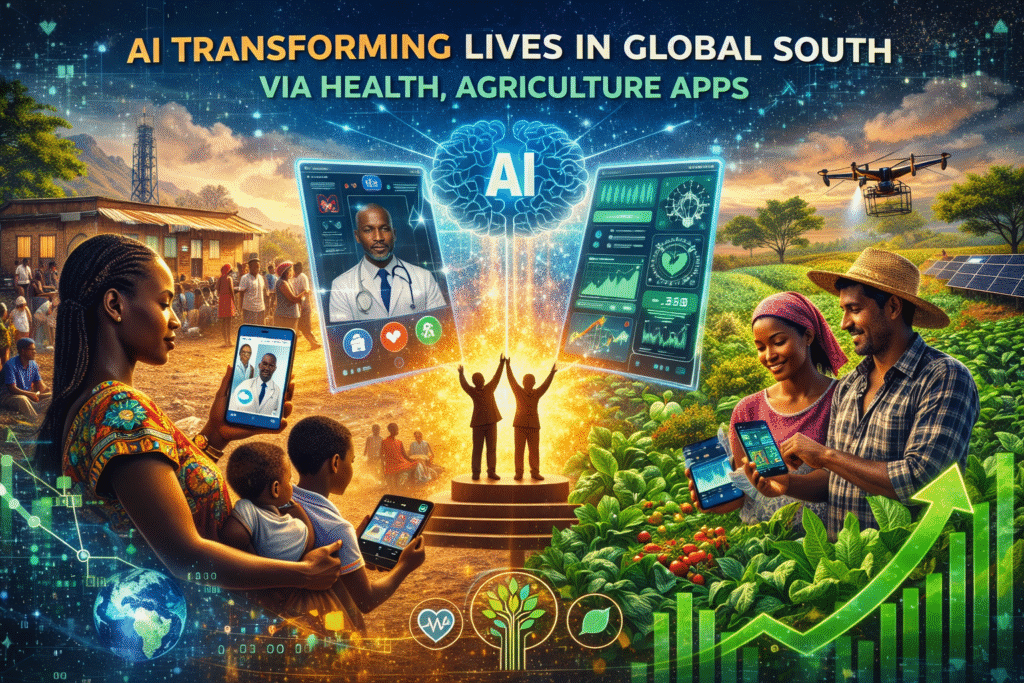
Artificial intelligence, a transformative branch of technology, is improving living standards across the Global South. From healthcare diagnostics to agricultural forecasting, AI-based tools address structural gaps in developing regions while stimulating local economic growth.
In healthcare, smartphone-enabled AI systems assist in diagnosing diseases such as malaria and tuberculosis in underserved communities. Early detection improves outcomes and reduces strain on medical systems, strengthening workforce participation and local productivity. Such digital health solutions directly reinforce the surrounding economies.
Agriculture is also evolving through AI-powered forecasting tools. Farmers in countries like Brazil, India, and Nigeria use satellite data and predictive analytics to optimize planting cycles. Increased crop yields contribute to food security and rural income stability, creating measurable improvements in regional economy conditions.
Access remains a challenge, but open-source tools and expanding connectivity are narrowing the digital divide. Governments increasingly view AI adoption as a multiplier for sustainable development. By embedding advanced technology into core sectors, emerging markets position themselves for inclusive long-term progress.
Women Entrepreneurs Driving Inclusive Growth
Women entrepreneurs played a central role at the UN Economic Transformation Forum, where discussions emphasized inclusive innovation and balanced economic expansion. Leaders highlighted how digital platforms empower women-led startups to scale operations globally.
Fintech applications, e-commerce ventures, and education platforms founded by women demonstrate measurable impact. Research presented at the forum indicates that women-led enterprises often generate higher social returns while strengthening the broader economy. Access to digital tools reduces traditional entry barriers and encourages cross-border participation.
Global institutions pledged billions in funding to expand training and digital literacy initiatives. Coding bootcamps and leadership programs equip women with skills needed in a rapidly changing technology environment. Such initiatives enhance representation while increasing productivity across sectors.
The forum also addressed funding inequities and regulatory obstacles. Transparent financial systems and mentorship networks were recommended to close opportunity gaps. Empowering women innovators enhances diversity, which in turn strengthens resilience within the global business landscape.
India Projected to Become the World’s Third-Largest Economy
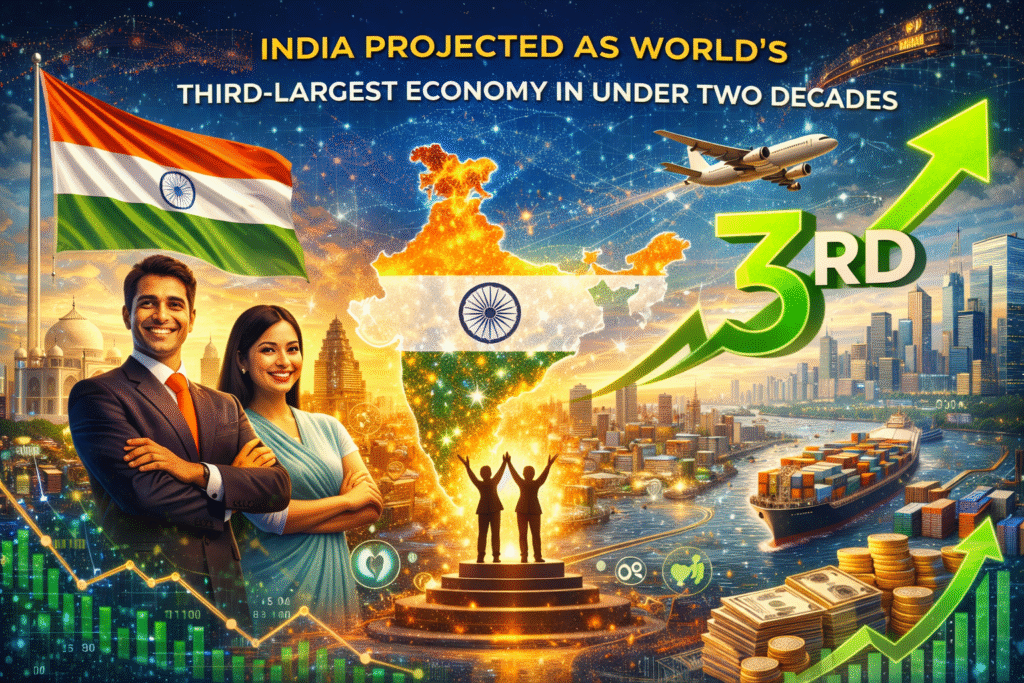
India’s projected rise to the world’s third-largest economy within two decades reflects the power of sustained digital expansion and demographic advantage. Analysts from major financial institutions predict that continued structural reforms and innovation will drive this transformation.
The country’s digital infrastructure expansion plays a central role. Platforms like UPI process billions of transactions monthly, reshaping consumer behavior and financial access. Widespread smartphone adoption and startup growth demonstrate how technology fuels productivity and entrepreneurship.
Manufacturing and services exports are also benefiting from automation and digital integration. Programs promoting domestic production attract multinational corporations, reinforcing industrial capability.
With a predominantly young workforce, India holds significant human capital potential. Investments in education and digital training ensure long-term competitiveness in emerging sectors. Sustainable energy initiatives and green infrastructure further position the country for balanced growth. India’s ascent underscores how strategic adoption of innovation accelerates structural transformation.
Conclusion: The Interconnected Future
These developments collectively demonstrate how technology and the economy remain inseparable in shaping the modern world. Corporate restructuring, trade recalibration, artificial intelligence deployment, inclusive entrepreneurship, and national growth strategies all illustrate dynamic interaction between innovation and economic systems.
As regulatory landscapes evolve, governments and businesses must balance security, accessibility, and opportunity. Sustainable progress depends on responsible innovation that strengthens both infrastructure and inclusion.
Looking ahead, adaptive leadership and strategic investment will determine how effectively nations build resilient structures. The path forward lies in collaboration, digital expansion, and inclusive development—ensuring long-term prosperity in an interconnected future.