
Europe & Other Regions: Strategic Developments and Global Implications
Europe and other regions are experiencing a period of intense political movement, security recalibration, and diplomatic signaling. Across europe, political leaders are responding to war, sanctions, and alliance pressures, while many regions are simultaneously adjusting to economic and strategic uncertainty. The relationship between europe and distant regions has become increasingly interconnected, particularly as energy security, territorial disputes, and military alliances reshape global priorities. This moment matters because europe remains central to diplomatic negotiations, and developments in surrounding territories continue to influence global stability.
France Seizes Sanctioned Russian Oil Tanker in the Mediterranean
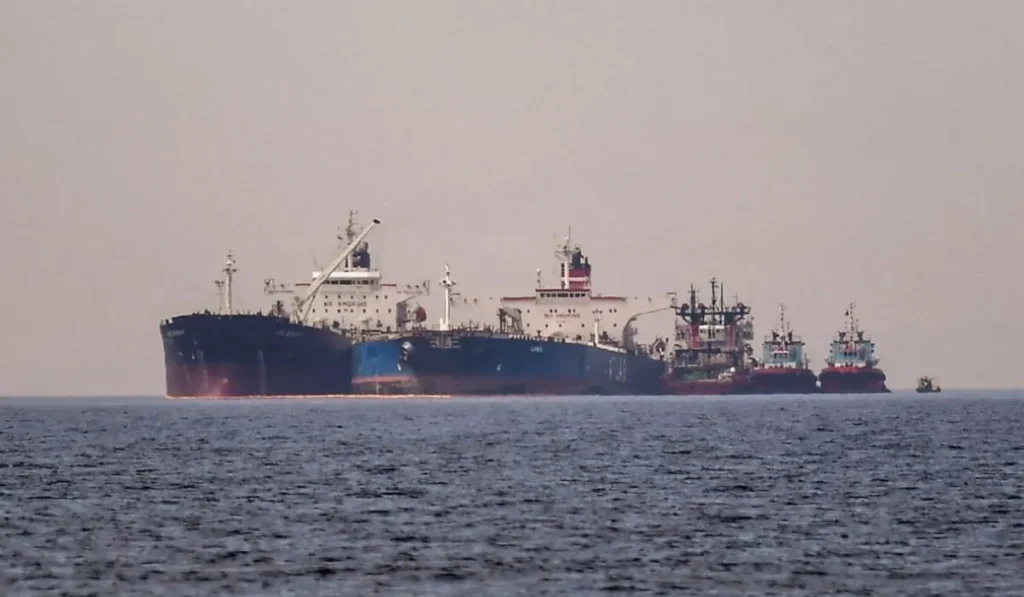
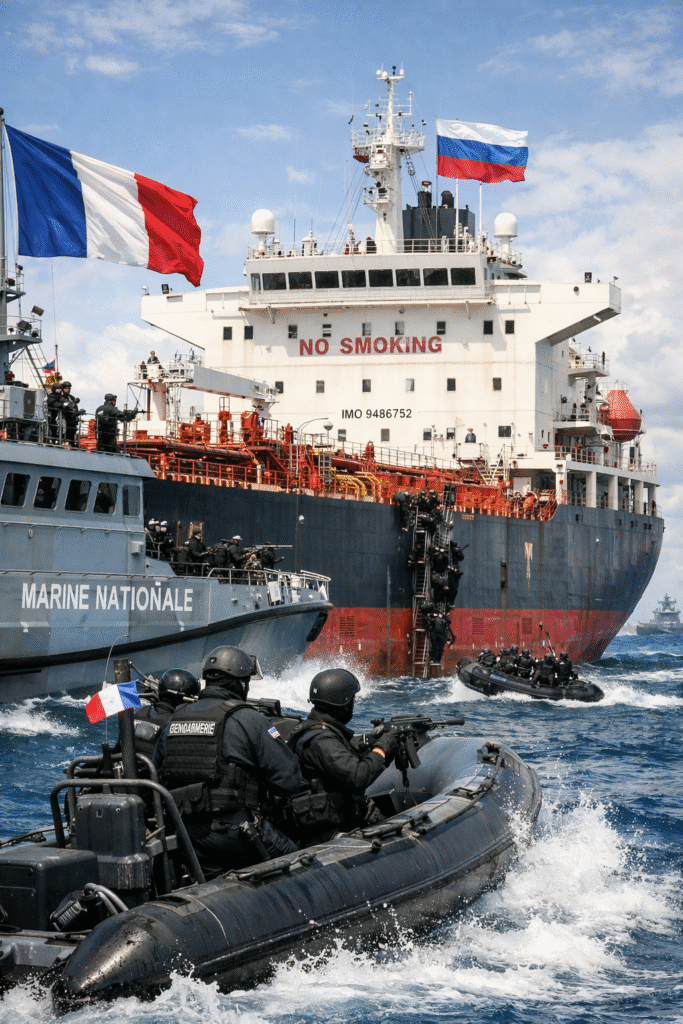
France’s seizure of a sanctioned Russian oil tanker in the Mediterranean signals how European countries is enforcing economic restrictions with renewed determination. The Mediterranean is one of the most strategically important maritime regions in the world, serving as a crucial energy and trade corridor. For europe, controlling sea lanes across neighboring countries is essential to maintaining the credibility of sanctions imposed after the Ukraine conflict escalated.
Several regions around the Mediterranean have long functioned as transit hubs for global shipping. When sanctions are imposed, enforcement becomes as important as policy itself. By acting decisively, europe demonstrates that economic penalties are not merely symbolic but operational. The message to other regions is clear: attempts to bypass restrictions through complex shipping arrangements will face scrutiny.
Energy politics remain central to this development. Since reducing dependence on Russian oil and gas became a priority, policymakers have worked to diversify supply chains. Monitoring vessels suspected of sanction violations requires intelligence coordination, naval oversight, and legal clarity. Such measures reinforce deterrence and help prevent loopholes that could undermine collective decisions.
The seizure also strengthens the position of governments advocating firm compliance mechanisms. Economic pressure is effective only when uniformly applied, and maritime enforcement represents one of the most visible components of that effort. Beyond the immediate legal consequences for the vessel involved, the action signals broader resolve in maintaining international accountability.
Kremlin Reports ‘Constructive’ Putin Talks with US Envoys
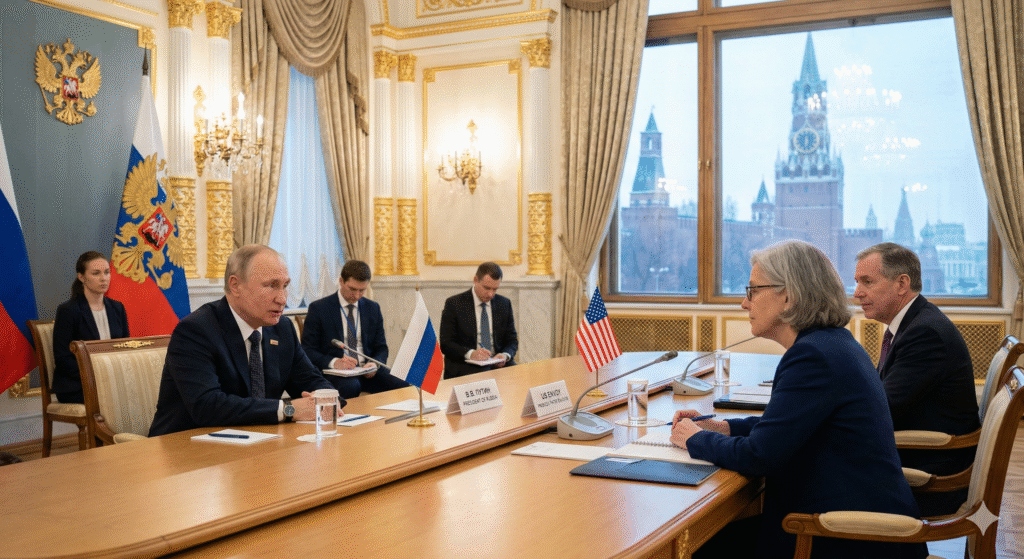
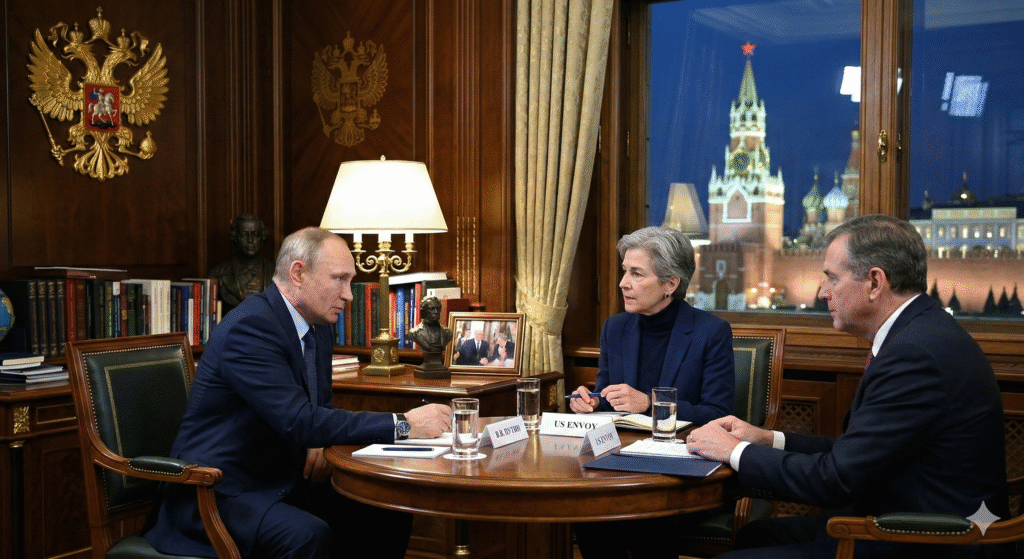
Diplomatic communication between Moscow and Washington continues to influence calculations far beyond the negotiating table. Talks described by the Kremlin as constructive carry weight for europe, where policymakers closely monitor any sign of de-escalation or strategic repositioning. Security concerns in eastern regions remain acute, particularly for states geographically close to the conflict zone.
Diplomacy that affects europe inevitably shapes nearby regions. Even subtle changes in tone can shift market expectations, defense planning, and alliance coordination. Leaders across European countries are watching closely to determine whether constructive dialogue translates into measurable outcomes.
Although no formal agreements have been publicly announced, the continuation of dialogue itself reduces the risk of miscalculation. In prolonged conflicts, maintaining communication channels can prevent unintended escalation. Constructive rhetoric may also signal openness to incremental steps rather than sweeping settlements.
At the same time, skepticism persists. Governments must weigh diplomatic optimism against battlefield realities and political constraints. Balancing firmness with openness to negotiation requires careful calibration. While sanctions and military support remain central tools, dialogue offers a complementary path that may, over time, reduce volatility.
For observers, the broader implication lies in the interplay between diplomacy and deterrence. Engagement does not automatically imply compromise; rather, it reflects recognition that durable stability often requires negotiation alongside pressure.
Zelenskyy Eyes Land-Focused Ukraine-Russia Resolution
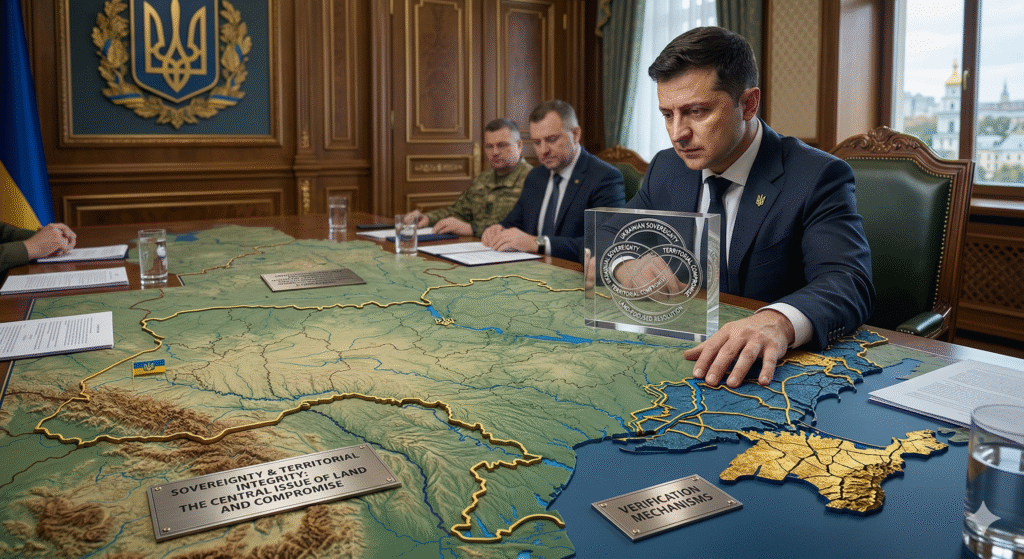
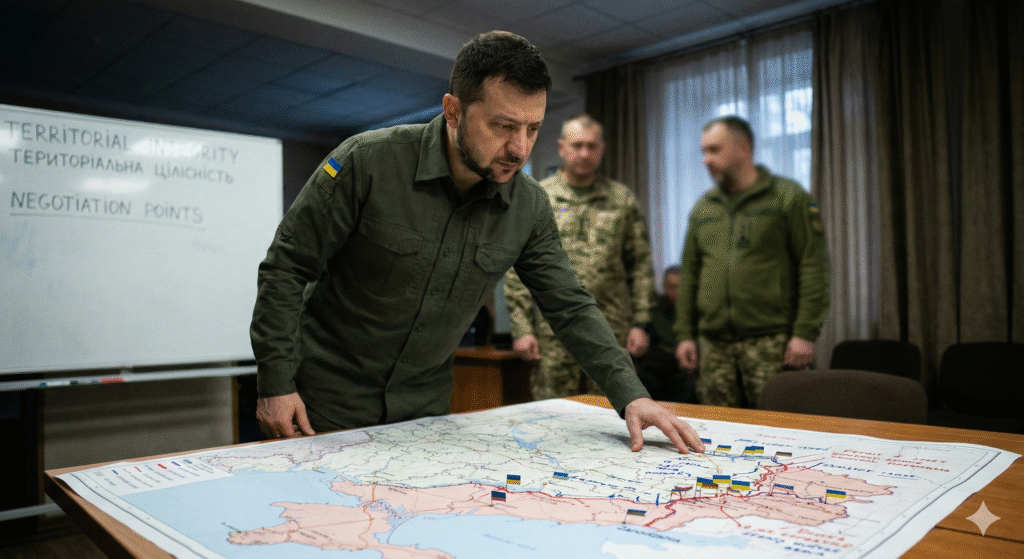
Ukrainian President Volodymyr Zelenskyy’s suggestion of openness to a land-focused resolution framework introduces a pragmatic dimension to ongoing negotiations. Such a proposal would influence security architecture across europe and could stabilize border regions that have endured sustained conflict.
For europe, territorial compromise discussions are politically sensitive. Questions of sovereignty, reconstruction funding, and long-term guarantees must be addressed simultaneously. Displaced populations across affected countries continue to require humanitarian support, housing, and economic opportunities. Reconstruction in these regions would demand coordinated international investment.
Any land-centered arrangement would likely involve phased implementation, verification mechanisms, and security assurances. Many policymakers in European countries argue that stability must be durable rather than temporary. A settlement that merely freezes tensions without resolving underlying disputes risks renewed confrontation.
From a strategic standpoint, a territorial framework may represent acknowledgment of military realities while seeking to prevent further loss. Yet the domestic political environment in both Kyiv and Moscow complicates concessions. Public opinion, national pride, and security perceptions heavily influence negotiating flexibility.
International partners must also evaluate how guarantees would be structured. Defense commitments, monitoring missions, and economic reconstruction packages all require long-term planning. The humanitarian dimension remains central: rebuilding infrastructure, restoring energy systems, and facilitating the safe return of displaced citizens.
Even incremental progress toward structured dialogue can shift global perceptions. Markets, defense planners, and diplomatic actors adjust quickly to signals of compromise. While outcomes remain uncertain, the mere articulation of a land-focused pathway indicates evolving strategic thinking.
Portugal’s Children Vote for Fictional Characters in Presidential Poll
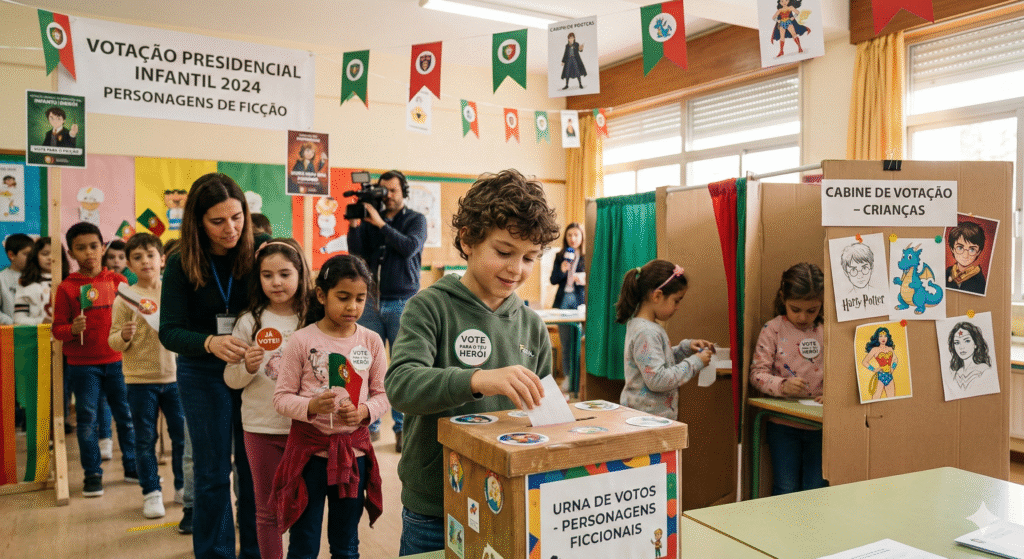
Amid serious geopolitical tensions, Portugal offered a lighter yet meaningful example of civic creativity. In a symbolic exercise, children participated in a mock presidential vote, selecting fictional characters as their preferred candidates. The initiative reflects democratic creativity within europe and highlights innovative civic education strategies.
It also offers lessons for other regions seeking to engage younger generations in public life. Democratic systems depend on informed participation, and early exposure to electoral processes fosters familiarity and confidence. By transforming voting into an imaginative classroom activity, educators encouraged curiosity about leadership, governance, and responsibility.
Youth disengagement has been a recurring concern in modern democracies. Creative programs that simulate civic participation can counter apathy and strengthen long-term institutional trust. Although fictional figures topped the ballots, the deeper value lies in cultivating awareness of how elections function.
Such initiatives demonstrate that democratic resilience is not built solely through legislation or enforcement but also through cultural engagement. Encouraging children to explore political ideas in a safe, educational setting reinforces values of participation and debate.
The symbolism extends beyond classrooms. In times of polarization and misinformation, fostering critical thinking and civic literacy becomes increasingly important. Playful exercises today may translate into informed voters tomorrow, reinforcing institutional continuity and accountability.

Canada Boosts Arctic Security via NATO Amid Trump Pressures
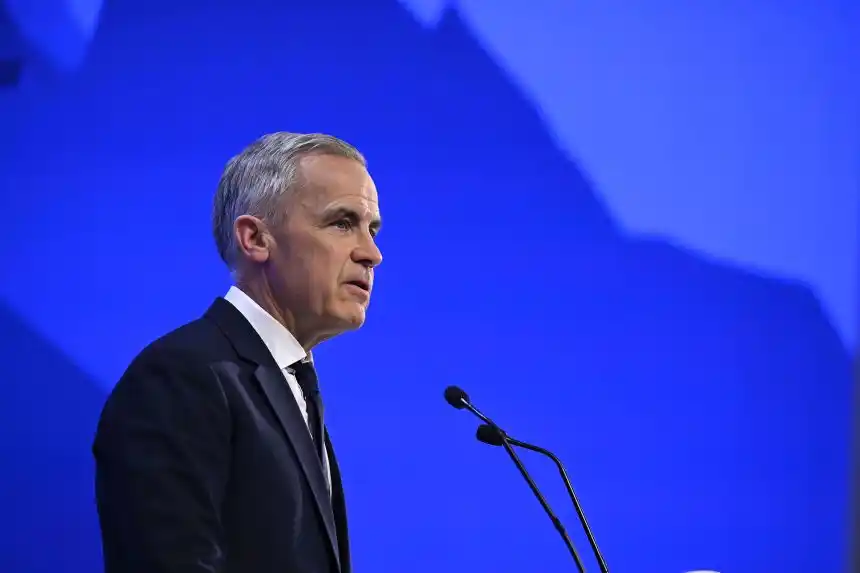
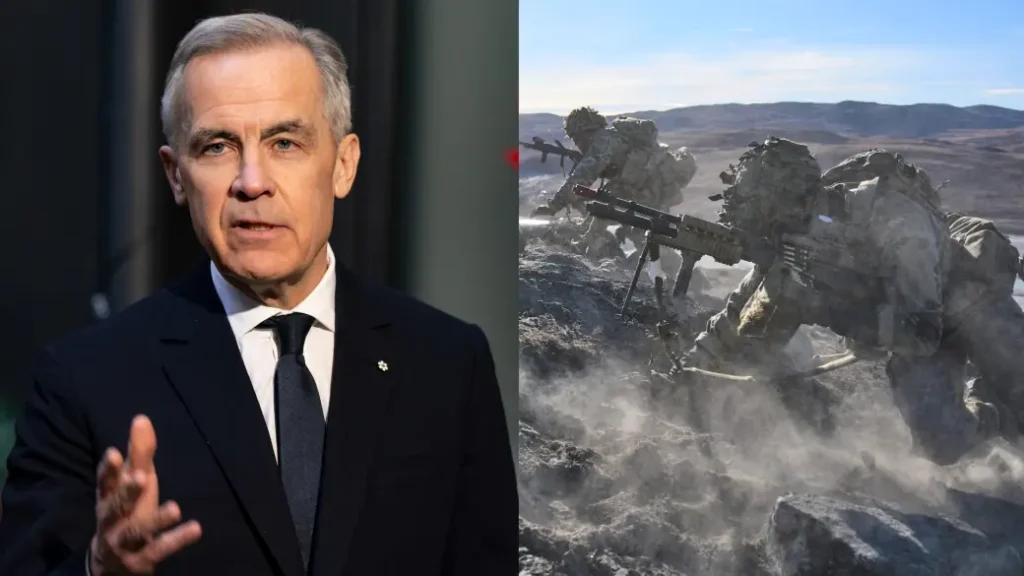
Arctic security debates connect North American priorities with europe. As ice coverage diminishes due to climate change, new territories are opening to shipping lanes, resource exploration, and strategic positioning. NATO cooperation aims to ensure that these regions remain governed by predictable rules rather than unilateral competition.
Canada’s decision to strengthen Arctic defense coordination reflects recognition that northern territories are no longer peripheral. Enhanced surveillance systems, joint exercises, and infrastructure investments underscore growing strategic attention. Military planners anticipate that navigation routes may shorten global trade pathways, intensifying competition for access.
Alliance cohesion plays a central role in these developments. Cooperation among member states reassures smaller partners while deterring potential adversaries. Arctic modernization includes airfield upgrades, naval deployments, and satellite monitoring capabilities designed to safeguard sovereignty and maintain balance.
Political pressures add another layer of complexity. Transatlantic dynamics influence defense spending debates and strategic priorities. By reaffirming commitment to collective defense, policymakers signal continuity in shared security frameworks.
Climate transformation remains the underlying driver. Environmental shifts are rapidly altering previously inaccessible areas, compelling governments to anticipate new commercial and security realities. Proactive coordination seeks to prevent disputes before they escalate.
Conclusion
The developments examined—from maritime enforcement in the Mediterranean to evolving diplomatic dialogue and Arctic coordination—illustrate a world navigating overlapping challenges. Economic sanctions, territorial negotiations, civic innovation, and alliance strategy all intersect within a rapidly changing geopolitical environment.
France’s decisive action at sea reinforces the importance of enforcement credibility. Diplomatic engagement between major powers highlights the necessity of maintaining communication even amid confrontation. Proposals for territorial compromise reveal pragmatic calculations aimed at reducing prolonged instability. Civic education initiatives demonstrate that democratic strength depends on nurturing participation at every age. Meanwhile, northern security planning underscores how climate change reshapes strategic priorities.
Together, these events reflect a broader transition marked by uncertainty but also adaptability. Governments balance deterrence with diplomacy, enforcement with negotiation, and military readiness with civic resilience. The trajectory of global stability will depend on sustained coordination, careful compromise, and long-term investment in both security and democratic culture.
In this evolving landscape, leadership choices carry profound consequences. Strategic patience, alliance unity, and informed citizen engagement remain essential pillars for navigating the years ahead.