
Social & Misc News: Global Developments Shaping Our World
In a rapidly changing world, social dynamics and breaking news shape how communities understand power, justice, and survival. From global technology ambitions to courtroom revelations and natural disasters, the intersection of public debate and verified reporting defines our era. Readers today expect clarity not only about what happened but also about why it matters to their daily lives. This feature explores major international developments while reflecting on how social priorities evolve and how news travels across borders in seconds. By examining innovation, crime, climate, and conflict together, we gain a clearer picture of the forces influencing governments and citizens alike.
SpaceX Reorients Vision Toward a Self-Growing Moon City


Elon Musk has redirected SpaceX’s long-term vision, announcing that the company will prioritize building a self-sustaining city on the Moon before committing further resources to Mars colonization. The shift marks a dramatic recalibration of one of the most ambitious space exploration agendas of the twenty-first century. For years, Mars symbolized humanity’s next frontier, but Musk now argues that the Moon offers a more practical and strategically viable stepping stone.
The announcement quickly dominated global news cycles, surprising observers who had associated the company almost exclusively with Mars colonization. According to Musk, the Moon’s proximity to Earth makes it a more feasible testing ground for life-support systems, resource extraction, and construction technologies required for permanent habitation. A lunar base could serve as a launchpad for deeper space missions while simultaneously functioning as a research and industrial hub.
Its broader social implications are profound. Establishing a permanent human presence on the Moon would not only redefine exploration but also reshape international cooperation. Space agencies from the United States, Europe, China, and India have intensified lunar missions in recent years. A self-growing settlement could become a shared platform for scientific discovery, or it could ignite new geopolitical rivalries centered on resources such as helium-3 and rare minerals embedded in lunar regolith.
Some engineers argue that the social contract of space exploration is shifting from distant dreams to practical settlement strategies. Instead of symbolic flag-planting missions, governments and private companies are considering long-term habitation models. This includes sustainable agriculture in controlled environments, 3D-printed habitats constructed from lunar soil, and renewable energy systems powered by near-continuous sunlight at the Moon’s poles.
Industry analysts note that such news reshapes investment patterns across aerospace markets and encourages governments to rethink partnerships. Funding priorities may pivot toward technologies suited for shorter supply chains and rapid deployment. Critics, however, caution that even a lunar city remains an extraordinarily complex undertaking, with life-support redundancy, radiation shielding, and psychological well-being posing serious challenges.
Beyond technology, ethical considerations loom large. Who governs a lunar settlement? What legal frameworks apply? The Artemis Accords provide some guidelines, but a permanently inhabited Moon would test international law in unprecedented ways. Questions about property rights, labor protections, and environmental stewardship in space remain largely theoretical, yet they may soon demand concrete answers.
Musk’s pivot also underscores the evolving role of private enterprise in exploration. Once dominated by national agencies, the space race now includes corporations with budgets rivaling those of small nations. If SpaceX succeeds, it could redefine how humanity expands beyond Earth, setting a template for public-private collaboration that balances ambition with accountability.
Epstein Case Files Flood Prosecutors
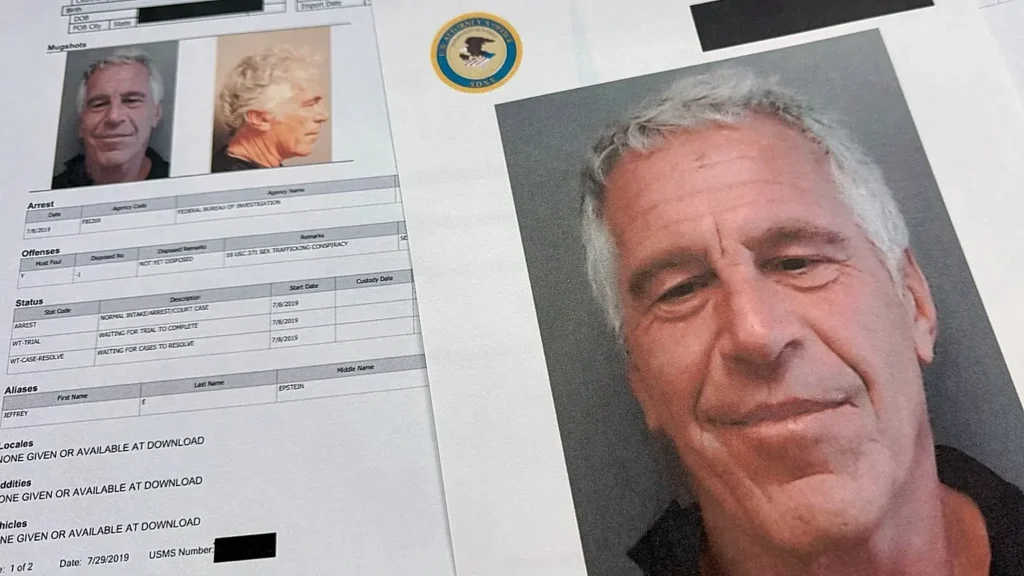
The legal aftermath of Jeffrey Epstein’s criminal network continues to reverberate through courtrooms and investigative offices. Prosecutors have reportedly been inundated with more than two million documents connected to the case, creating one of the most complex evidentiary reviews in modern legal history. Emails, flight logs, financial statements, surveillance records, and witness testimonies form a vast archive requiring meticulous analysis.
The social ramifications of this document surge are significant. Survivors seek closure and justice, while the public demands transparency about the scope of wrongdoing and potential complicity by powerful figures. Each newly reviewed file carries the possibility of corroborating long-standing allegations or revealing previously unknown connections.
Continuous news coverage has amplified scrutiny on law enforcement agencies and judicial processes. Observers question whether earlier investigative lapses allowed abuses to continue unchecked. As prosecutors comb through the material, legal teams for defendants scrutinize every procedural step, ensuring that evidence meets strict admissibility standards.
Public trust in social institutions hinges on the thoroughness and fairness of this review. The scale of documentation presents logistical hurdles, from digital storage management to cross-referencing multilingual records. Advanced data analytics and artificial intelligence tools are being deployed to detect patterns, timelines, and financial flows that might otherwise remain hidden.
Meanwhile, victims’ advocates emphasize that the human dimension must not be overshadowed by paperwork. Behind each document lies testimony that reflects trauma and resilience. Court proceedings, though technical in nature, represent an attempt to restore accountability and reaffirm the principle that influence and wealth do not place individuals above the law.
As news organizations sift through publicly released materials, they face their own ethical challenges. Reporting must balance transparency with privacy concerns, particularly when names of alleged victims or uncharged individuals appear in records. Responsible journalism requires verification and contextualization, especially in a case already surrounded by speculation and conspiracy theories.
The Epstein files illustrate how large-scale criminal investigations can strain judicial systems. They also demonstrate the interplay between public demand for disclosure and the necessity of protecting due process. The coming months are likely to bring additional indictments, legal motions, and courtroom revelations, each contributing to an evolving narrative about power, exploitation, and accountability.

Australian Town Shooting Leaves Community Reeling
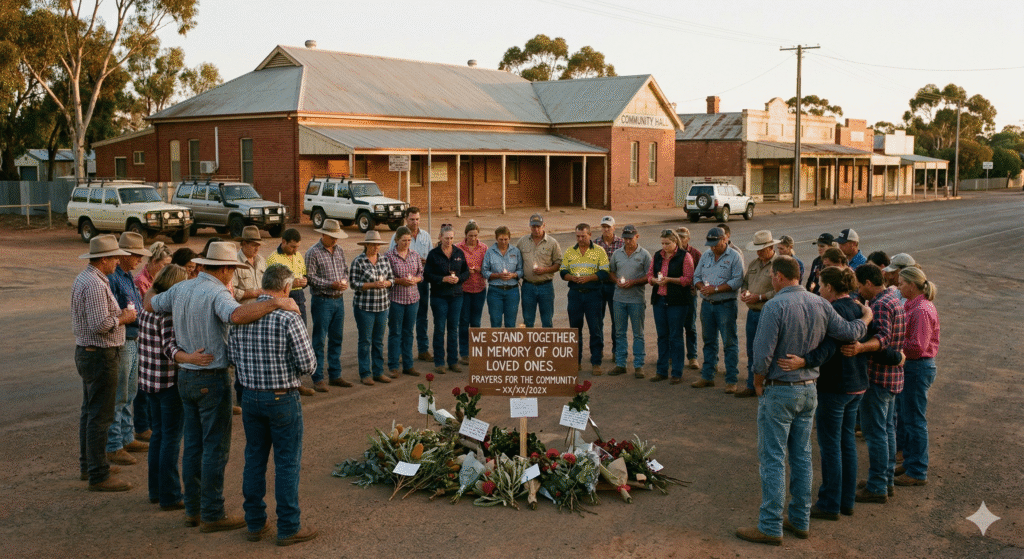
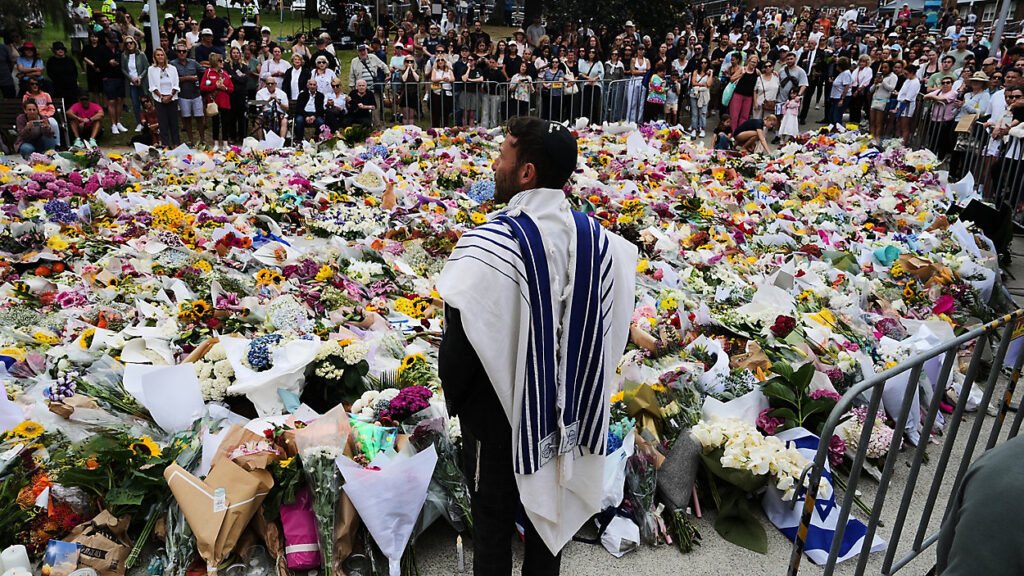
A quiet Australian town was shattered by violence when a shooting incident left three people dead and one injured. Authorities responded swiftly, securing the area and launching an investigation into the motive and circumstances surrounding the attack. For residents accustomed to relative calm, the tragedy has been deeply destabilizing.
National news outlets carried updates throughout the day, providing verified details while urging caution against rumor. Law enforcement officials emphasized that preliminary findings suggested no broader threat to the public, though they continued to examine the suspect’s background and possible grievances.
The tragedy has sparked a broader conversation about social cohesion in regional areas. Community leaders organized vigils and counseling services, highlighting the importance of mutual support in times of crisis. Australia’s stringent gun laws, often cited as a model internationally, have again come under discussion, with policymakers evaluating whether additional safeguards are necessary.
For families of the victims, policy debates offer little immediate comfort. Grief counselors and local authorities are focusing on long-term recovery, recognizing that small communities often experience collective trauma. Schools and workplaces have implemented support programs to address lingering anxiety and fear.
Incidents like this underscore the unpredictable nature of violence and the challenges authorities face in prevention. While statistical trends may show relatively low rates compared to other nations, even a single event can leave enduring scars. The town’s path forward will likely involve both remembrance and renewed commitment to community resilience.
Winter Storm Fern Sweeps Across the United States
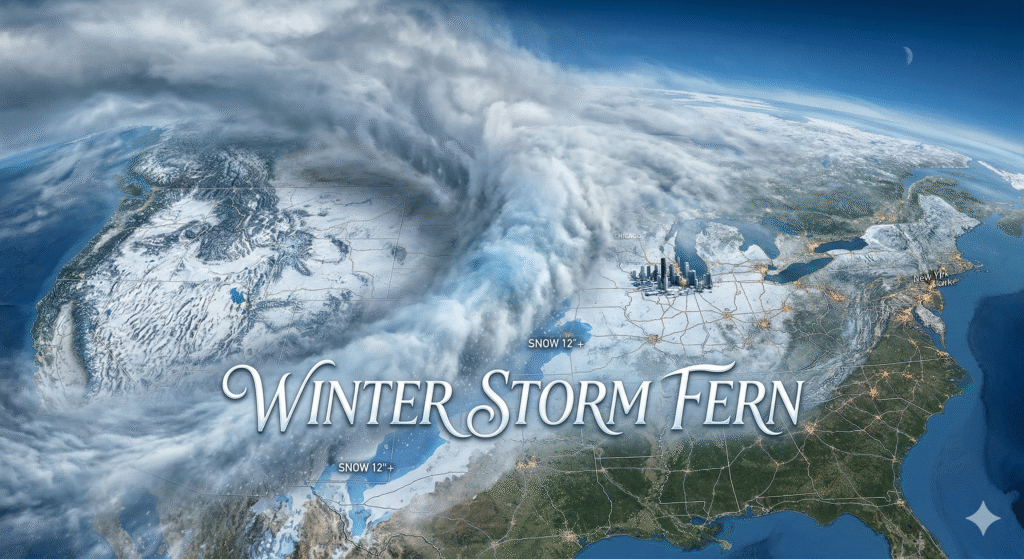
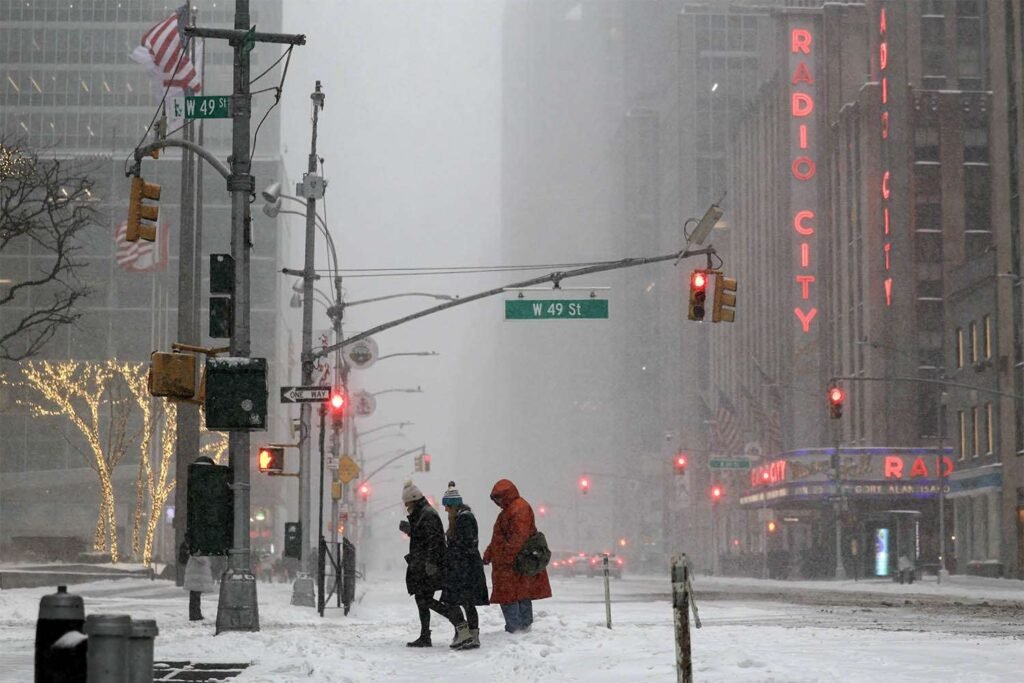
The United States has been gripped by Winter Storm Fern, a powerful weather system that brought heavy snowfall, freezing rain, and subzero temperatures to multiple states. Airports reported widespread cancellations, highways closed due to icy conditions, and utility crews worked around the clock to restore power to affected neighborhoods.
Weather news briefings warned residents to avoid unnecessary travel and prepare emergency supplies. Governors in several states declared emergencies, activating National Guard units to assist stranded motorists and deliver essential resources. In major cities, shelters expanded capacity to accommodate individuals experiencing homelessness.
Beyond meteorology, the storm has significant social consequences. Vulnerable populations, including the elderly and low-income families, face disproportionate risks during prolonged cold snaps. Heating costs can spike dramatically, straining household budgets already challenged by inflation and economic uncertainty.
Climate scientists caution that extreme winter events do not contradict broader warming trends. Instead, shifting atmospheric patterns may intensify certain storms even as global temperatures rise overall. Infrastructure resilience has become a central policy issue, with aging power grids and water systems struggling under severe conditions.
Businesses also feel the impact. Supply chain disruptions delay deliveries, and hourly workers lose income when operations shut down. Insurance claims for property damage are expected to climb, adding another layer of economic strain. Yet amid the hardship, stories of neighbors helping neighbors have emerged, reflecting solidarity in the face of adversity.
As temperatures gradually stabilize, officials will assess damage and refine preparedness strategies. Storm Fern serves as a reminder that natural forces remain formidable, requiring coordinated planning and sustained investment to mitigate harm.
Boat Capsizes Near Disputed Shoal
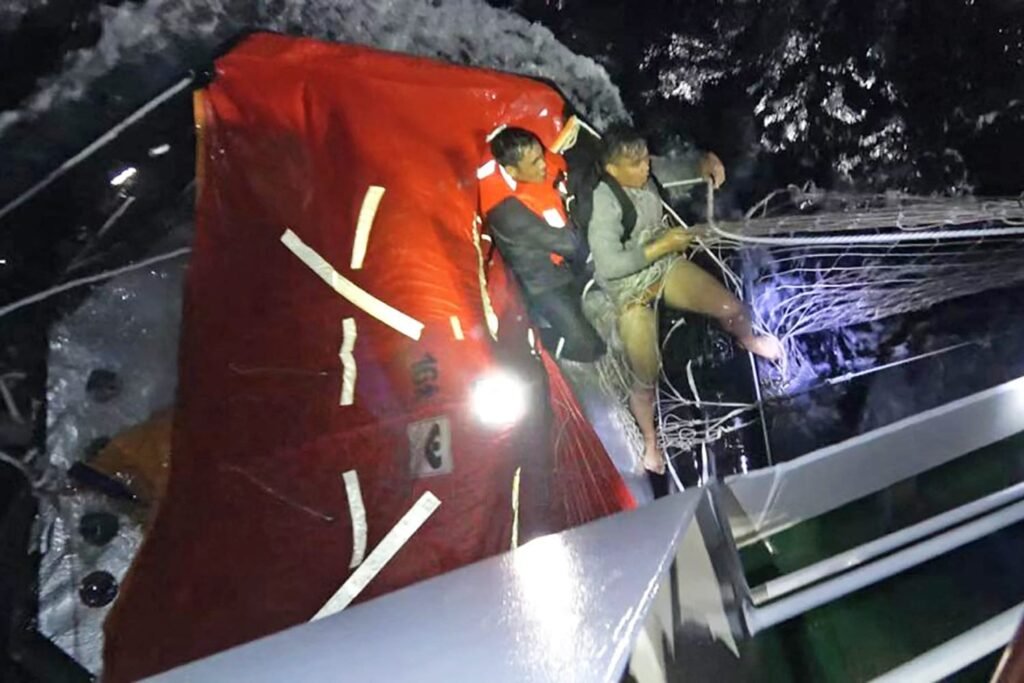
Tensions in maritime regions resurfaced after a boat capsized near a disputed shoal, resulting in two fatalities and the rescue of seventeen individuals by Chinese authorities. The incident occurred in contested waters where overlapping territorial claims have fueled diplomatic friction for years.
Regional news agencies reported that rough seas may have contributed to the accident, though investigations are ongoing. Rescue operations involved coast guard vessels and emergency medical teams, highlighting both the hazards of navigation and the geopolitical sensitivity of the area.
The incident underscores fragile social ties among fishing communities that depend on access to contested waters for their livelihoods. For many families, the sea represents both economic sustenance and persistent risk. When disputes intensify, ordinary workers often bear the consequences.
Diplomatically, governments involved have issued statements expressing condolences while reiterating sovereignty claims. Such responses reflect the delicate balance between humanitarian cooperation and strategic rivalry. International observers urge restraint, noting that miscalculations in disputed zones can escalate quickly.
Maritime safety experts emphasize the importance of clear communication channels and joint rescue protocols, regardless of political disagreements. Preventing future tragedies may require confidence-building measures that prioritize human life over territorial competition.
The capsizing serves as another example of how local incidents can carry broader implications. In regions where boundaries remain contested, even routine activities such as fishing can intersect with national strategy.
Conclusion: Interconnected Challenges in a Complex World
Taken together, these stories reveal how social forces intersect with technological ambition, legal accountability, public safety, environmental stress, and geopolitical tension. From lunar settlement plans to courtroom document reviews, from small-town violence to winter storms and maritime accidents, each development reflects broader patterns shaping our shared future.
They also remind audiences why credible news remains essential. Accurate reporting informs citizens, guides policymakers, and counters misinformation in moments of uncertainty. Whether examining innovation in space exploration or scrutinizing legal proceedings, responsible coverage fosters informed debate and democratic engagement.
The SpaceX pivot illustrates humanity’s enduring drive to explore and innovate, while raising questions about governance and ethics beyond Earth. The Epstein case underscores the painstaking work required to pursue justice on a massive scale. The Australian shooting highlights community vulnerability and resilience. Winter Storm Fern demonstrates the tangible impacts of extreme weather on infrastructure and daily life. The boat capsizing near a disputed shoal reveals how geopolitical rivalries intersect with human tragedy.
In an interconnected era, events rarely exist in isolation. Economic decisions influence migration, climate patterns affect security, and legal precedents shape institutional trust. Understanding these linkages demands sustained attention and thoughtful analysis. As readers navigate headlines and commentary, the challenge lies not only in absorbing information but in contextualizing it within larger trends.
Ultimately, informed citizens form the backbone of stable societies. By engaging critically with developments across continents and sectors, communities can respond more effectively to crises and opportunities alike. The convergence of innovation, justice, climate, and diplomacy will continue to define the global landscape, making careful observation and reflection indispensable tools for the years ahead.